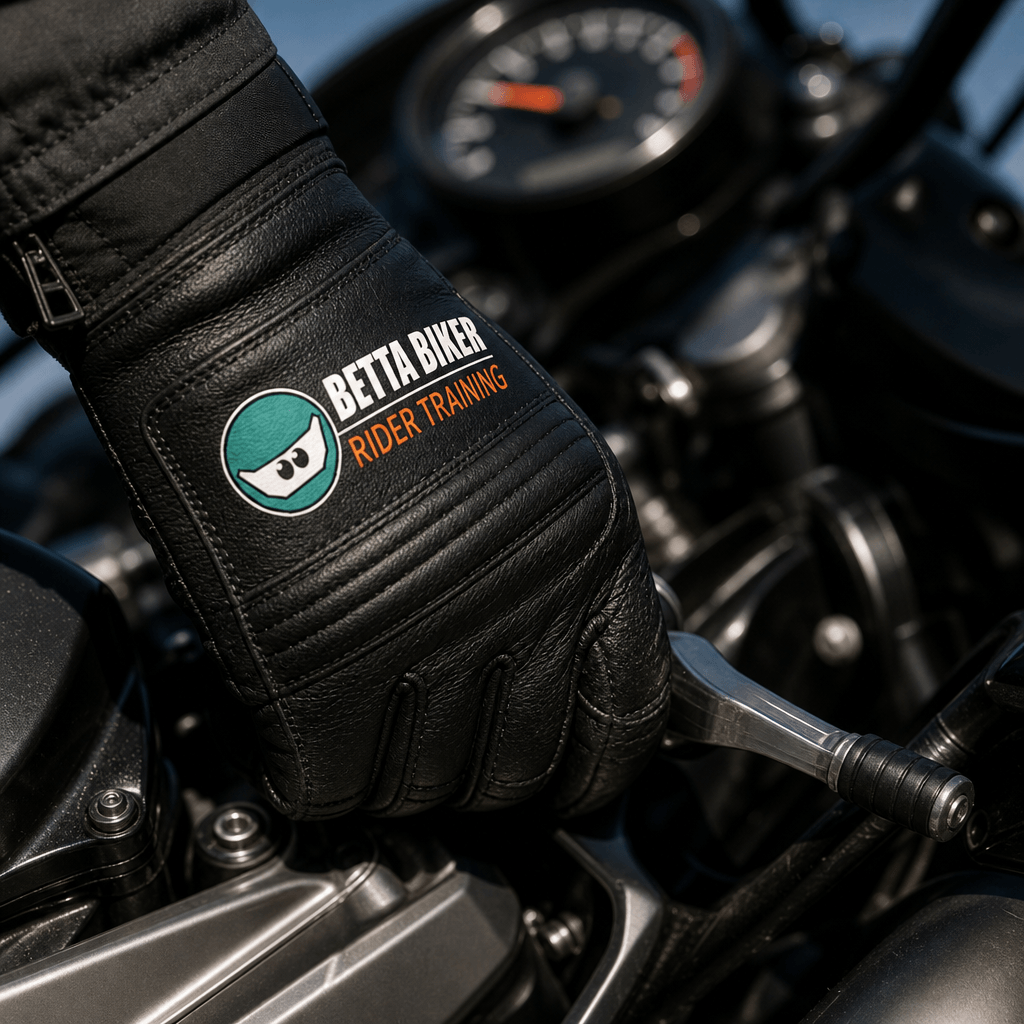
Motorcycle Suspension: What It Does and Why It Matters

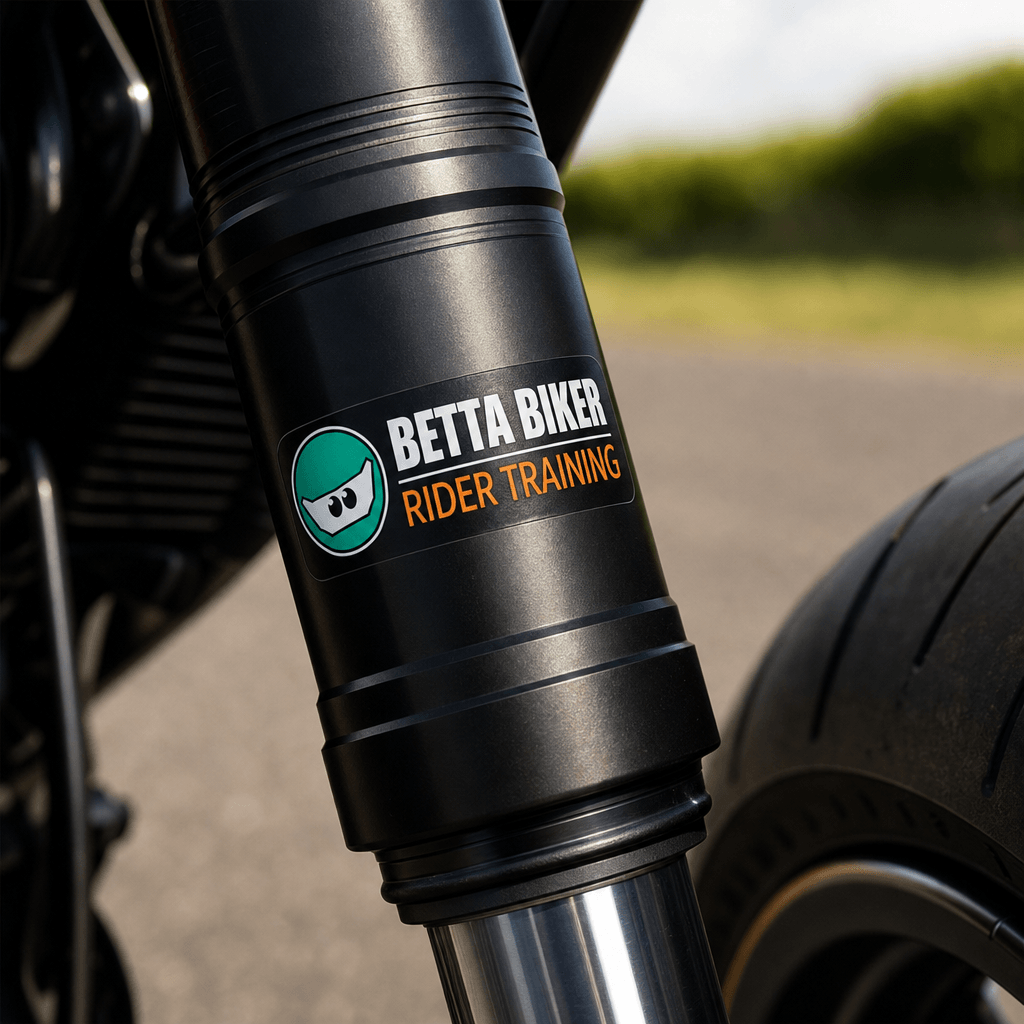
Most riders spend time thinking about throttle control and braking, but your suspension is working just as hard underneath you, and understanding it can genuinely change how safe and comfortable your ride feels. At its core, suspension does two things: it keeps your tyres in contact with the road surface and absorbs the impact of bumps, potholes, and uneven tarmac. If your forks are too stiff, small bumps transfer straight through to your hands and destabilise the front end. Too soft, and the bike wallows under braking or through corners. Getting the balance right means better grip, more predictable handling, and less fatigue on longer rides.

The good news is you don’t need to be a mechanic to get a feel for this. Check your sag (how much the suspension compresses under your weight), keep an eye out for any oil leaks around the fork seals, and if the bike bounces more than once after hitting a bump, your damping probably needs attention. These are the kinds of details we cover at Betta Biker, because we believe that thinking riders are safer riders. Whether you’re just starting out on your CBT or working towards your full licence, building this kind of mechanical awareness early on makes a real difference. Have you ever noticed your bike handling differently after a service, or spotted something that didn’t feel quite right? Drop your experience in the comments. 🏍️

Road Surfaces Can Catch You Out Fast 🛣️

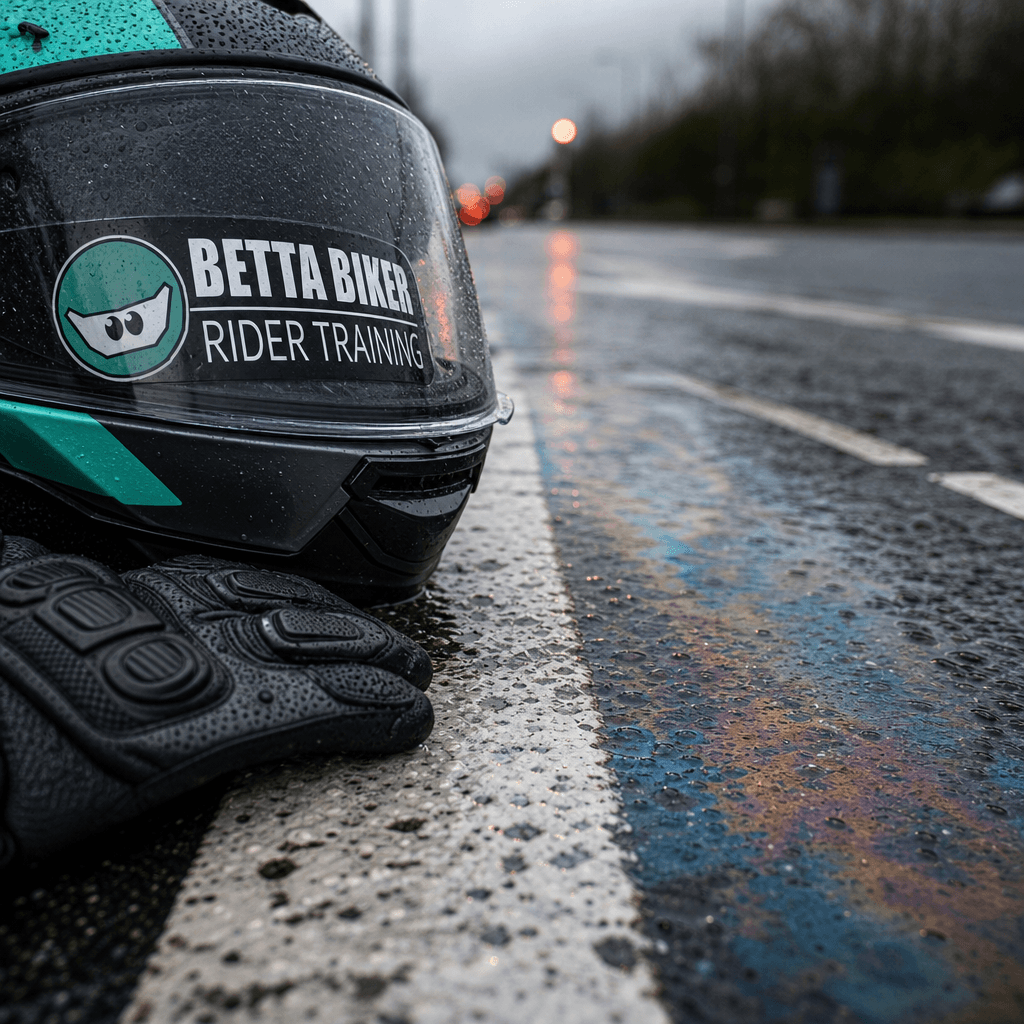
Most riders know to watch for other vehicles, but the road surface itself is one of the biggest hazards out there and it doesn’t announce itself. Diesel spills are almost invisible in dry conditions, yet they turn corners into ice rinks the moment they get wet. Gravel pushed to the edge of a bend by car tyres sits exactly where you need to lean. And those painted white lines, especially hatching and zebra crossings, can be as slippery as ice when it rains. Spotting these hazards before you’re on top of them is a skill, and it’s one every rider needs to build deliberately.

The good news is that reading a road surface is something you can genuinely get better at with the right training and mindset. At Betta Biker, developing thinking riders is at the heart of everything we teach, from your very first CBT day through to a full DAS licence. We cover the practical stuff like bike control, but also the mental approach that keeps you safer for life. Have you ever been caught out by a slippery road surface? Drop a comment below. And if you’re ready to start building real road awareness from day one, take a look at what we offer. 🏍️

Petrol Taps, Carbs & Fuel Injection: What New Riders Need to Know ⛽

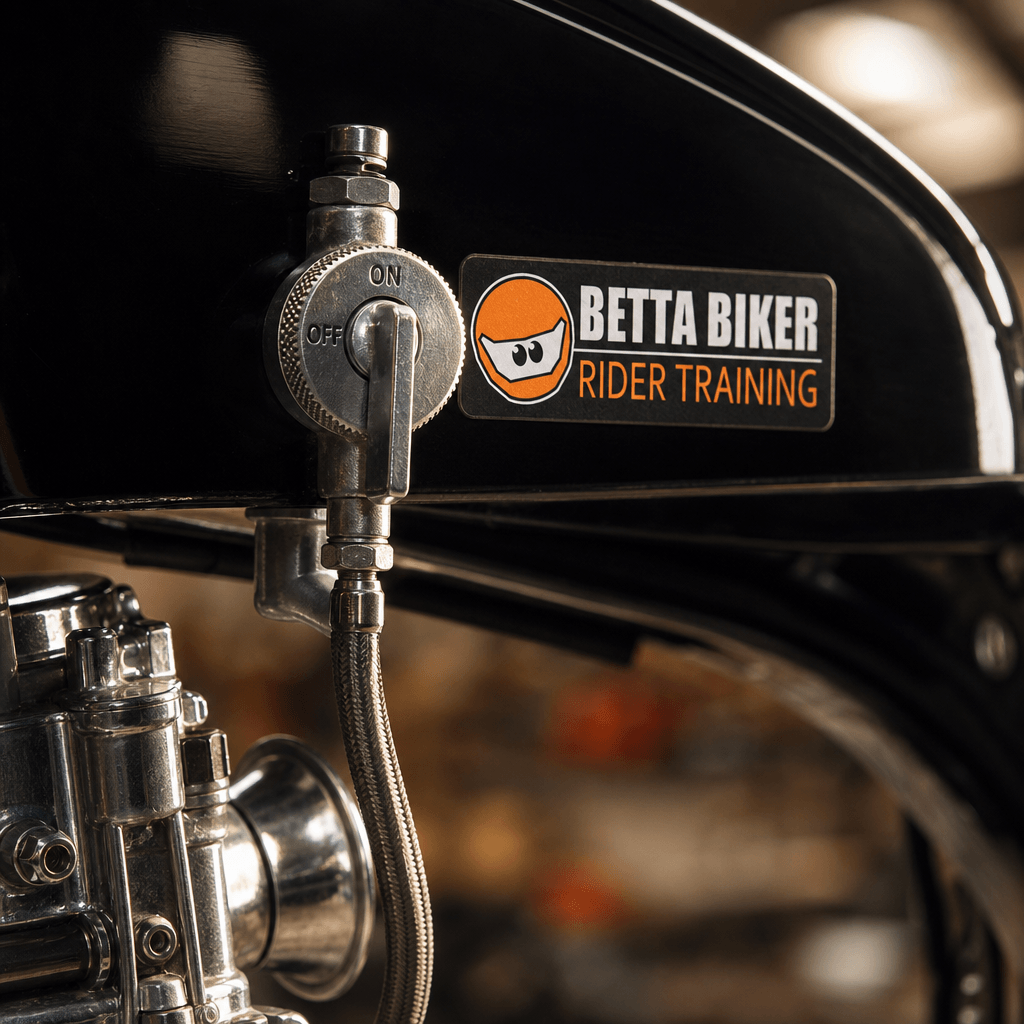
Most new riders focus on clutch control and road positioning (which makes total sense), but understanding your bike’s fuel system is one of those basics that can save you from a roadside head-scratch on your very first ride. Older bikes use a petrol tap (fuel cock) with positions like “ON,” “OFF,” and “RES” (reserve). That reserve position isn’t a bonus tank, it’s a small backup supply for when the main feed runs dry, so knowing to switch to it could be the difference between riding home and pushing. Carburettors mix air and fuel mechanically and are common on classic and budget bikes, while fuel injection does the same job electronically, with no choke lever needed and much smoother cold starts. Neither is better or worse for a beginner, they just behave slightly differently, and knowing which system your bike has helps you understand how it responds.

At Betta Biker, this kind of practical knowledge is exactly what we cover during CBT training. Understanding your machine makes you a more confident, thinking rider, which is the whole point. Our CBT courses run weekends and bank holidays, and are built for complete novices aged 16 and above. Bikes and equipment are all provided. Have you ever been caught out by something on a bike you didn’t quite understand? Drop it in the comments, and what fuel system does (or did) your first bike run on? 🏍️

Motorcycle Trousers: Why Your Jeans Won’t Cut It 🏍️

Most new riders focus on helmets and jackets, but here’s the thing, your legs are just as exposed in a slide, and regular denim offers almost zero abrasion resistance. At highway speeds, standard jeans shred in under a second of contact with tarmac. That’s not scare-mongering, that’s just physics.

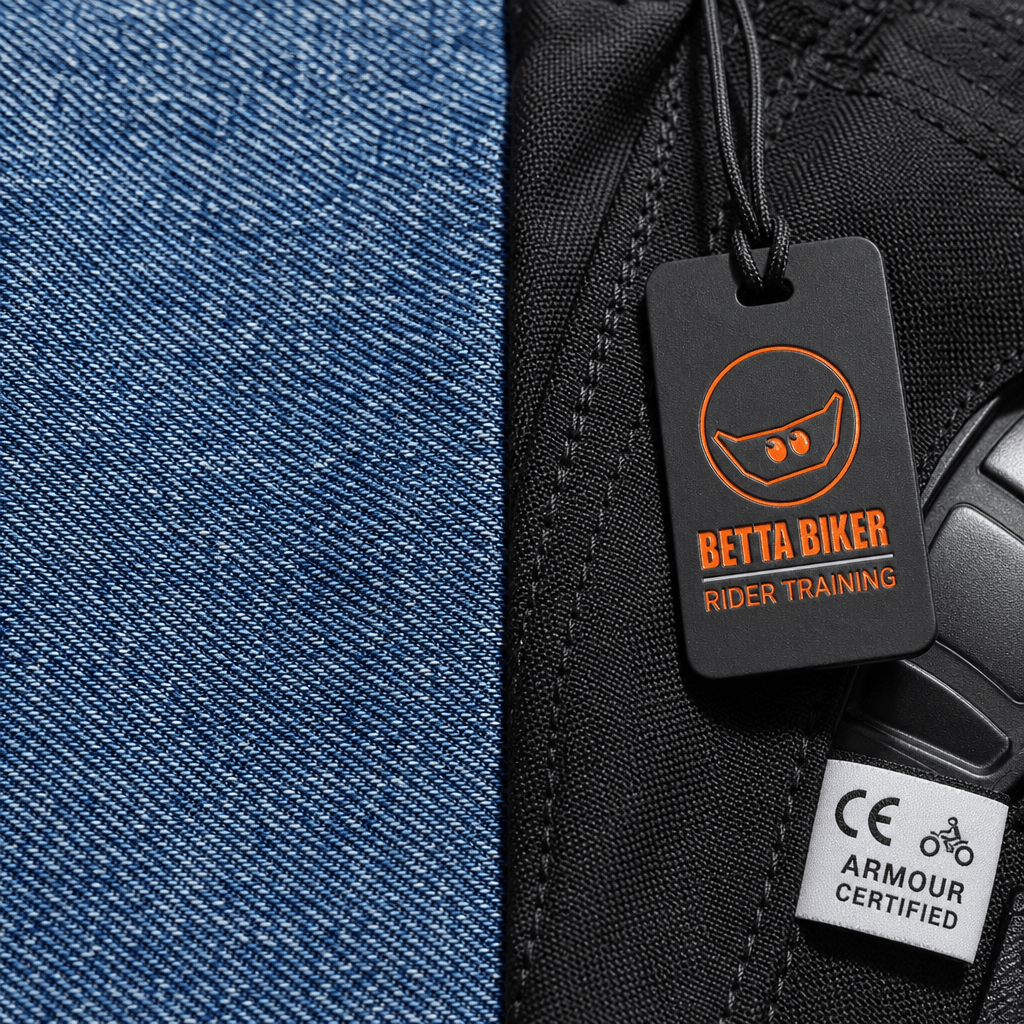
Proper motorcycle trousers and riding jeans are built with CE-rated armour at the knees and hips, plus materials like Kevlar or Cordura that are designed to take the punishment so your skin doesn’t have to. Whether you’re commuting around Warrington or heading out on a longer run, the difference between riding gear and casual wear could mean the difference between walking away or not. At Betta Biker, we talk about becoming a “thinking” rider, and that thinking starts before you even throw a leg over the bike. So, what gear are you currently riding in? And if you’re just getting started, do you know what to look for when buying your first pair of riding trousers? Drop your questions below. 👇

Motorcycle Training in Warrington That’s Actually Built Around You 🏍️

Most training centres run you through the motions and send you on your way. At Betta Biker, it works differently. Since 2015, Chief Instructor Nic Garner and the team have been delivering flexible, no-nonsense motorcycle training in Warrington and across the North West, where you stay at the centre of the whole experience. CBT courses start from £210, run at weekends and bank holidays, and everything you need (bikes and kit included) is sorted for you. Whether you’re 16 and just starting out or you’re going for your full DAS licence, the training is shaped around where you are, not a one-size-fits-all programme.

The big focus here isn’t just getting you through a certificate. It’s about turning you into a thinking rider who handles whatever the road throws at them with confidence. Small group sizes mean you get proper attention, not just a number on a list. So, what’s holding you back from getting on two wheels? And if you’ve already done your CBT, are you thinking about taking it further with a full licence? 🤔 Call, text, WhatsApp, or come in for a chat and a brew, and the team will work out the best route for you.

Engine Braking: The Skill That Could Save Your Life 🏍️

Most new riders grab the front brake when they need to slow down fast. That’s understandable, but it’s only half the picture. Engine braking is one of the most effective tools you have on a motorcycle, and once you understand how to use your gearbox to control your speed, everything starts to feel a lot more natural.

Here’s the basic idea: as you roll off the throttle and drop down through the gears in sequence (matching your road speed to each gear as you go), the engine itself creates resistance that slows the bike progressively. Done right, it spreads the braking load across the drivetrain rather than dumping everything onto your brake pads. It also keeps the bike more stable through corners and gives you better feel for what the tyres are doing. The key things to get right are smooth throttle closure, keeping your downshifts timed correctly so you’re not forcing a gear, and blipping the throttle on the way down if you want really clean transitions. Rushing the gear changes or skipping gears is where most beginners come unstuck. Have you ever felt the back wheel skip or jolt when changing down? That’s usually a sign the revs weren’t matched properly before engaging the next gear.

This is exactly the kind of technique we work through with every student at Betta Biker, whether you’re just starting out on your CBT or working towards your full licence. What’s the part of using the gearbox you find most confusing?

Terms and Conditions