What Does a Motorcycle Kill Switch Actually Do?

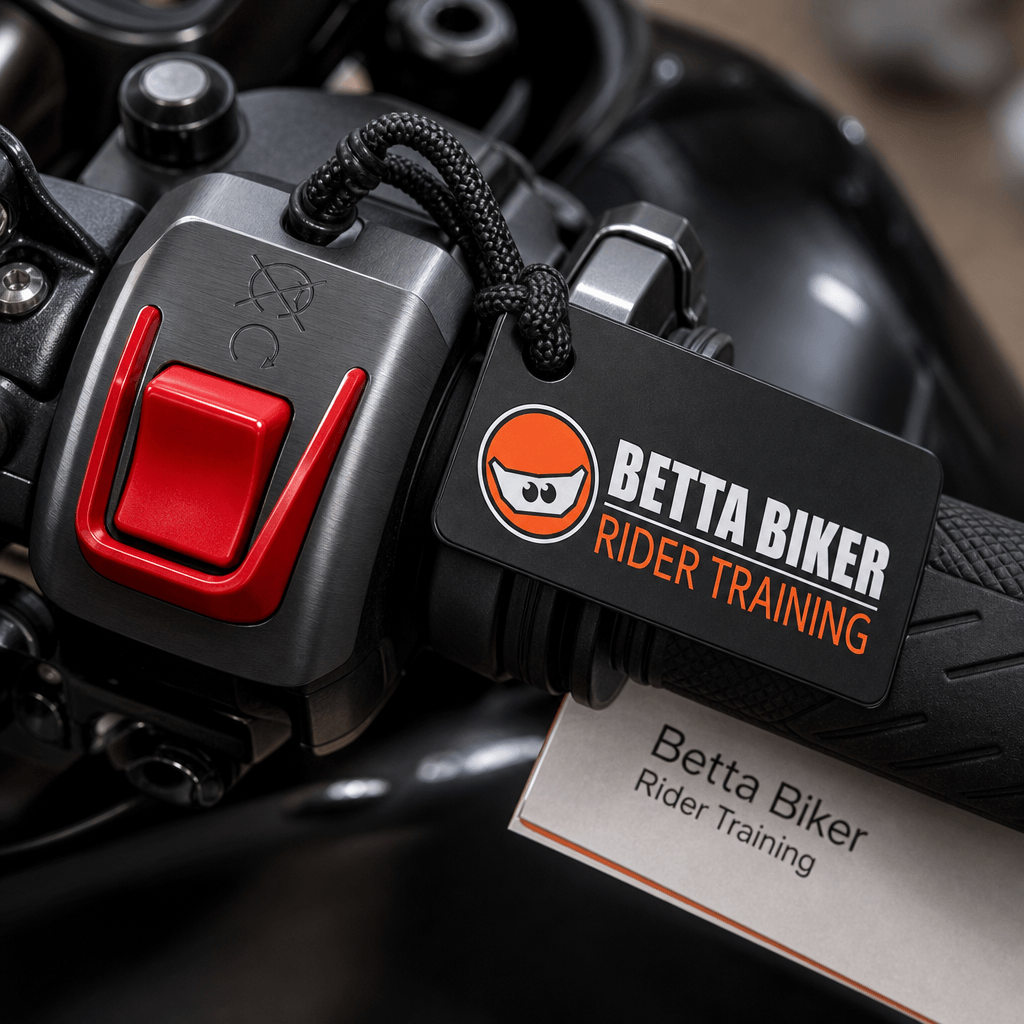
Most new riders spot that little red switch on the handlebar and either ignore it or assume it’s just a backup for emergencies. It’s actually more useful than that. Your kill switch (or engine cut-off switch) lets you shut the engine down instantly without taking your hand off the bar to reach the ignition key. In a situation where you need to stop the engine fast, whether that’s a stuck throttle or a moment where things have gone sideways, that split-second difference matters. Understanding where it is and how it feels before you need it is the kind of habit that separates a thinking rider from a panicking one.

At Betta Biker Rider Training, this is exactly the sort of thing we cover from day one on our CBT course. We don’t just teach you to ride, we teach you to understand your machine. What does each control do? When would you actually use it? Small group sizes mean you get real answers to real questions, not a rushed overview. Have you ever been caught off guard by a control on a bike you weren’t familiar with? Drop your experience in the comments below. If you’re 16 or over and based in the North West, CBT training starts at just Β£225 at weekends and bank holidays.

Throttle Control: The Skill That Makes or Breaks Your Ride 🏍️

Smooth throttle control is one of those things that separates a nervous rider from a confident one, and it’s something every rider (beginner or not) can work on. The key is gradual, progressive input rather than snapping the throttle open. Roll it on steadily as you build speed, and you’ll find your bike feels far more settled and predictable. Harsh, sudden acceleration doesn’t just feel uncomfortable. It burns through fuel faster, unsettles the rear wheel, and puts unnecessary strain on your concentration when you should be focused on the road ahead.

The good news is this skill is absolutely learnable from day one. When Nic and the team at Betta Biker work with new riders on their CBT, smooth throttle technique is built into the practical training from the very first session, because getting this foundation right makes everything else click into place. A rider who’s smooth with the throttle is a safer, more relaxed rider full stop. Whether you’re just starting out or you’ve been riding a while and want to sharpen up your technique, it’s worth asking yourself: when was the last time you really thought about how you’re using that throttle? And if you haven’t done your CBT yet, what’s holding you back from getting started this summer?

Can You Read the Road Before It Reads You?

Most motorcycle accidents don’t happen out of nowhere. They happen because something wasn’t spotted early enough. That’s where anticipation skills make all the difference, and it’s one of the most underrated parts of riding safely on UK roads.

Reading traffic flow means watching what’s happening well ahead, not just the car in front of you. Spotting brake lights two vehicles ahead, noticing a side road where a driver might pull out, or clocking a pedestrian who looks like they’re about to step off the kerb – these are the small reads that keep you safe. It’s less about reacting fast and more about giving yourself time so you rarely need to. This kind of thinking is exactly what we build into training at Betta Biker, because our whole approach is about developing riders who think, not just riders who ride. 🏍️

Whether you’re just starting out with your CBT or you’ve been on two wheels for years, it’s worth asking yourself: how far ahead are you actually looking when you ride? If traffic flow feels unpredictable or you’re finding yourself braking late more often than you’d like, that’s a sign there’s room to sharpen those anticipation skills. Drop a comment below with your biggest challenge on busy roads – we’d love to hear it. πŸ‘‡

Motorcycle Luggage 101: Panniers, Top Boxes & Tank Bags

Just passed your CBT or working towards your full licence? One of the first practical questions new riders face is: how do I actually carry stuff on a bike?

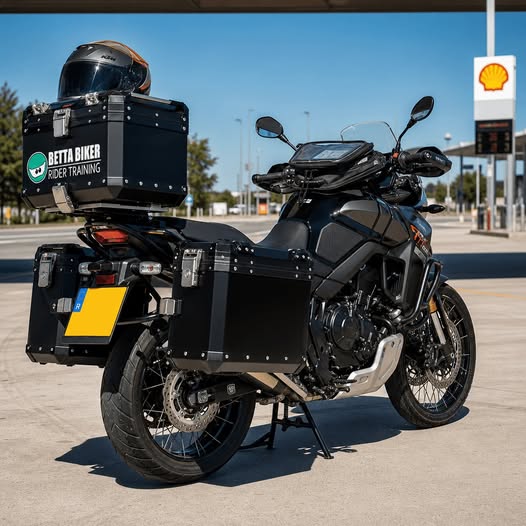
The three main options are panniers (hard or soft bags that mount on either side of the rear), a top box (a lockable case bolted to the rear rack), and a tank bag (a magnetic or strap-mounted bag sitting on your fuel tank). Each suits a different kind of riding. Panniers spread weight evenly and are brilliant for longer trips or daily commuting. Top boxes are the most convenient for quick access and keeping a helmet secure when you stop. Tank bags are ideal for keeping your phone, snacks, or a map right in front of you, though they can restrict movement on tighter bikes. Which you go for really depends on what you plan to use your bike for day to day. What’s your typical ride like? 🏍️

At Betta Biker, we’re all about helping you become a confident, thinking rider, not just someone who passed a test. The practical stuff like kit, luggage, and road sense is all part of that picture. If you’re just starting out, our CBT courses in Warrington are a great first step, with bikes and equipment all provided. What’s one piece of kit you wish someone had told you about when you first started riding? πŸ‘‡

Motorcycle Brakes Explained: What Every Rider Should Know 🏍️

Most new riders think braking is simple, press and stop. But understanding how your brakes actually work can be the difference between a close call and a clean stop.

Modern motorcycles use disc brakes on the front and rear wheels, with a rotating metal disc clamped by callipers to slow you down. The front brake does the heavy lifting, generating around 70-80% of your stopping power, which surprises a lot of beginners. Many bikes now come with ABS (Anti-lock Braking System), which prevents the wheels locking up under hard braking, especially useful on wet roads in the North West where conditions can change fast in the middle of July. On the maintenance side, a few basics to keep on top of: check your brake fluid level regularly (low fluid means reduced pressure and poorer performance), inspect your brake pads for wear (most have a visual wear indicator), and listen out for any grinding or squealing that shouldn’t be there. These aren’t just tick-box checks; they’re habits that keep you safe every single ride. Have you ever had a moment where your brakes didn’t respond the way you expected? Drop your experience in the comments. πŸ‘‡

At Betta Biker, brake control and bike handling form a core part of our CBT training here in Warrington. We make sure every rider leaves with the practical skills and the thinking behind them. Want to get started or find out more about our courses?

Junction Safety: What Every New Rider Needs to Know

Junctions are where most motorcycle accidents happen, and for new riders, they can feel like a lot to handle all at once. The key is having a consistent approach every single time, not just when you remember to.

Before you reach a junction, observations need to start early. Check your mirrors, signal in good time, and position yourself correctly for the turn. As you arrive, ask yourself: Can I see clearly in all directions? Have I slowed down enough to actually process what I’m seeing? And once you’re moving through, smooth, steady throttle control keeps you balanced and visible to other road users. These habits sound simple, but they take practice to make automatic. Are you someone who feels confident at junctions, or is it an area you’d like to work on? πŸ›΅

That’s exactly the kind of thing we work through at Betta Biker. Nic and the team have been training riders across Warrington and the North West since 2015, and CBT courses start from just Β£230 at weekends and bank holidays. Whether you’ve never sat on a bike before or just want to sharpen up before going for your full licence, we keep groups small so you actually get the attention you need. What’s the one riding situation that makes you most nervous right now? Drop it in the comments.

Motorcycle Body Armour Explained: CE Ratings and What They Actually Mean

Most riders spend hours choosing the right bike but give their protective gear about five minutes of thought. That’s a problem, because not all armour is created equal, and the CE rating on your jacket or trousers tells you a lot more than you might think. CE Level 1 armour meets the minimum standard for impact protection, while CE Level 2 offers significantly higher protection and is the rating serious riders should be looking for in high-risk zones like shoulders, elbows, and knees. There’s also a separate back protector standard worth knowing: a CE Level 2 back protector is one of the single most important upgrades you can make to your riding kit, yet it’s one of the most commonly overlooked.

Understanding your gear is part of understanding how to ride safely, and that mindset starts from day one of training. At Betta Biker, we build that kind of thinking into everything we do, from CBT courses in Warrington right through to full DAS licence training across the North West. 🏍️ When did you last actually check the CE rating labels on your riding jacket? And if you’re just getting started, what questions do you have about the gear you’ll need for your first ride?

Motorcycle Parking: What New Riders Need to Know 🏍️

Most new riders spend weeks thinking about how to ride, but barely five minutes thinking about where to park. That’s a problem, because parking a motorcycle badly can cost you your bike, a fine, or both.

Finding legal parking spots is the first thing to get your head around. In the UK, motorcycles can use marked motorcycle bays for free in many areas, but parking on the pavement is only legal if a sign or bay marking specifically permits it. On the road, you can use car parking spaces, but always check for yellow lines and pay-and-display rules the same as any vehicle. When it comes to security, never rely on the steering lock alone. Use a quality disc lock as a minimum, and if you’re leaving the bike for any length of time, a ground anchor or chain through the wheel and frame adds serious peace of mind. As for etiquette, keep your bike tidy within a bay, don’t block pedestrian paths, and always leave enough room for other riders to manoeuvre around you. Have you got a go-to routine when you park up, or is this something you’ve been figuring out as you go?

Learning the practical stuff like this is exactly what good training builds into you from day one. At Betta Biker Rider Training, based in Warrington and serving the North West, we’ve been turning beginners into confident, thinking riders since 2015. Our CBT courses (just Β£210, available at weekends and bank holidays) cover far more than just the basics of moving and stopping. What’s the one thing about riding you wish someone had told you earlier? Drop it in the comments below. πŸ‘‡

Why Does a Motorcycle Stay Upright? (Most Riders Don’t Know)

Most people hop on a bike and just trust it’ll stay balanced, without ever understanding why it actually does. That’s fine until something goes wrong. The stability of a moving motorcycle comes down to two key forces working together: gyroscopic effect (spinning wheels resist tipping, like a spinning top) and trail geometry (the way your front wheel naturally steers itself back under the bike). At low speeds, both weaken significantly, which is exactly why slow manoeuvres trip up so many new riders. Add in a slippery surface, a sudden swerve, or braking at the wrong moment, and those forces can’t save you on their own.

This is why understanding your bike, not just riding it, makes such a big difference to how safe and confident you feel out there. At Betta Biker, we’ve been building thinking riders since 2015, covering exactly this kind of knowledge in our CBT courses from Warrington across the North West.

It’s the difference between reacting instinctively in a tricky moment and freezing up. 🏍️ So here’s a question worth thinking about: when you first started riding (or if you’re about to), did anyone actually explain why the bike behaves the way it does, or did you just get told to “keep the speed up”? Drop your answer below πŸ‘‡

Terms and Conditions