Night Riding: What Every Biker Needs to Know πŸŒ™

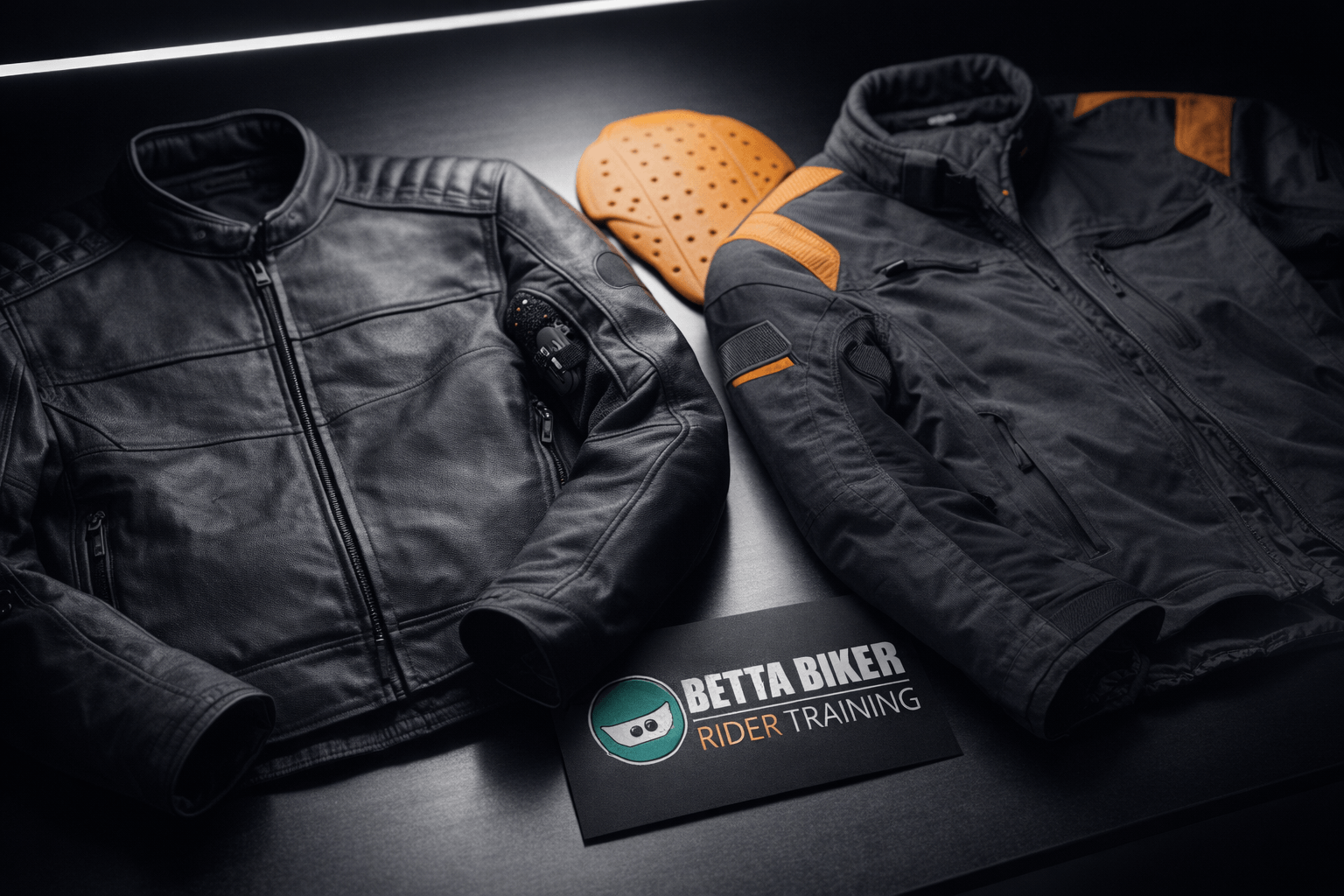
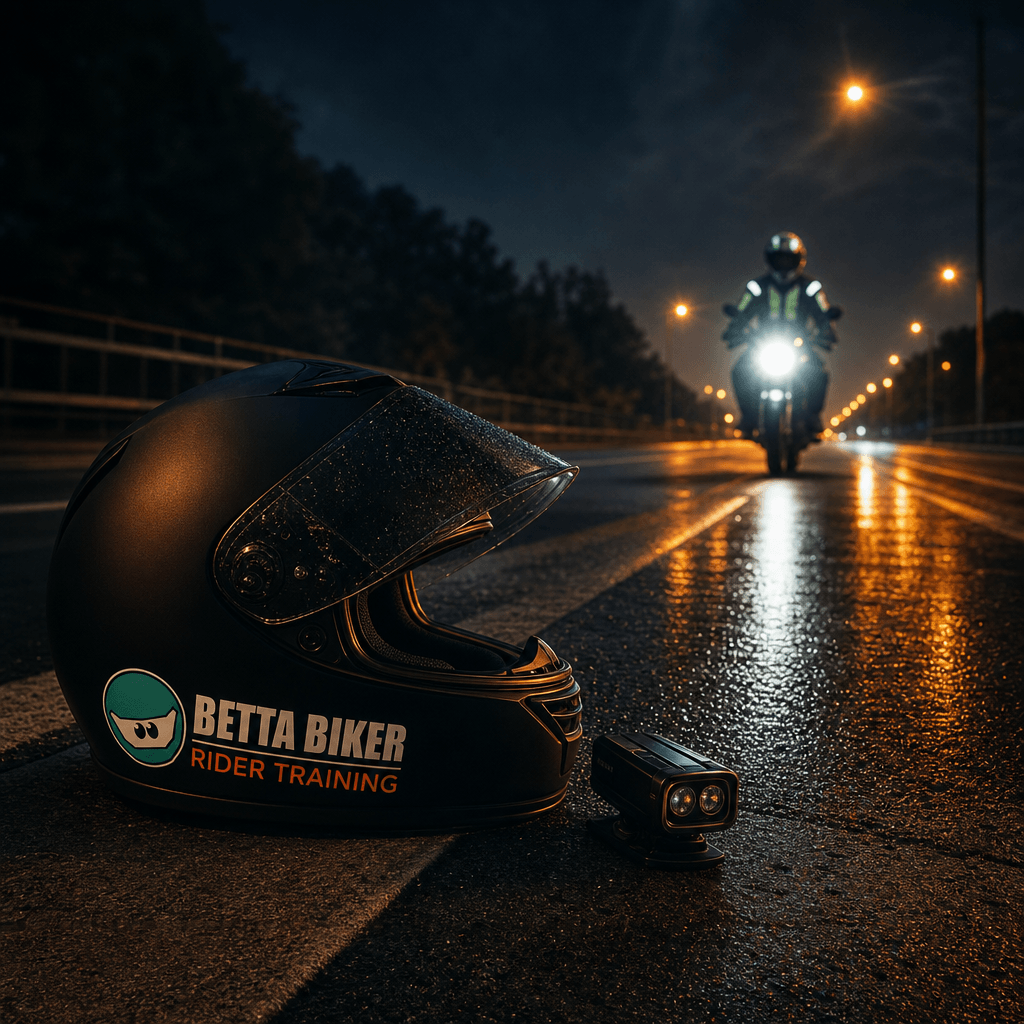
Riding after dark is a completely different experience to daytime riding, and not being prepared for it can catch even confident riders off guard. Reduced visibility, changing road surfaces, and the way your eyes adjust to oncoming headlights all demand a sharper version of the skills you rely on in daylight. The fundamentals come down to three things: being seen, seeing clearly, and adjusting your riding technique. Make sure your lights are clean and fully working, wear high-visibility or reflective gear (a dark jacket might look great, but it works against you at night), and position yourself on the road where you’re most visible to other drivers. You’ll also want to increase your following distance, since your stopping distance doesn’t change but your reaction time to hazards spotted in the dark absolutely does.

Technique-wise, smooth, progressive inputs matter even more after dark because you’re working with less information about what’s ahead. Use your headlight beam to read the road, slow down on unfamiliar routes, and watch for the glow of other headlights around bends before you reach them. It’s the kind of thinking-rider approach we build into training from day one at Betta Biker. Do you already ride at night, or is it something you’ve been avoiding? And if you’re still working towards your licence, what part of riding after dark sounds most daunting? 🏍️
Motorcycle Mirrors: Are You Actually Using Them Right?

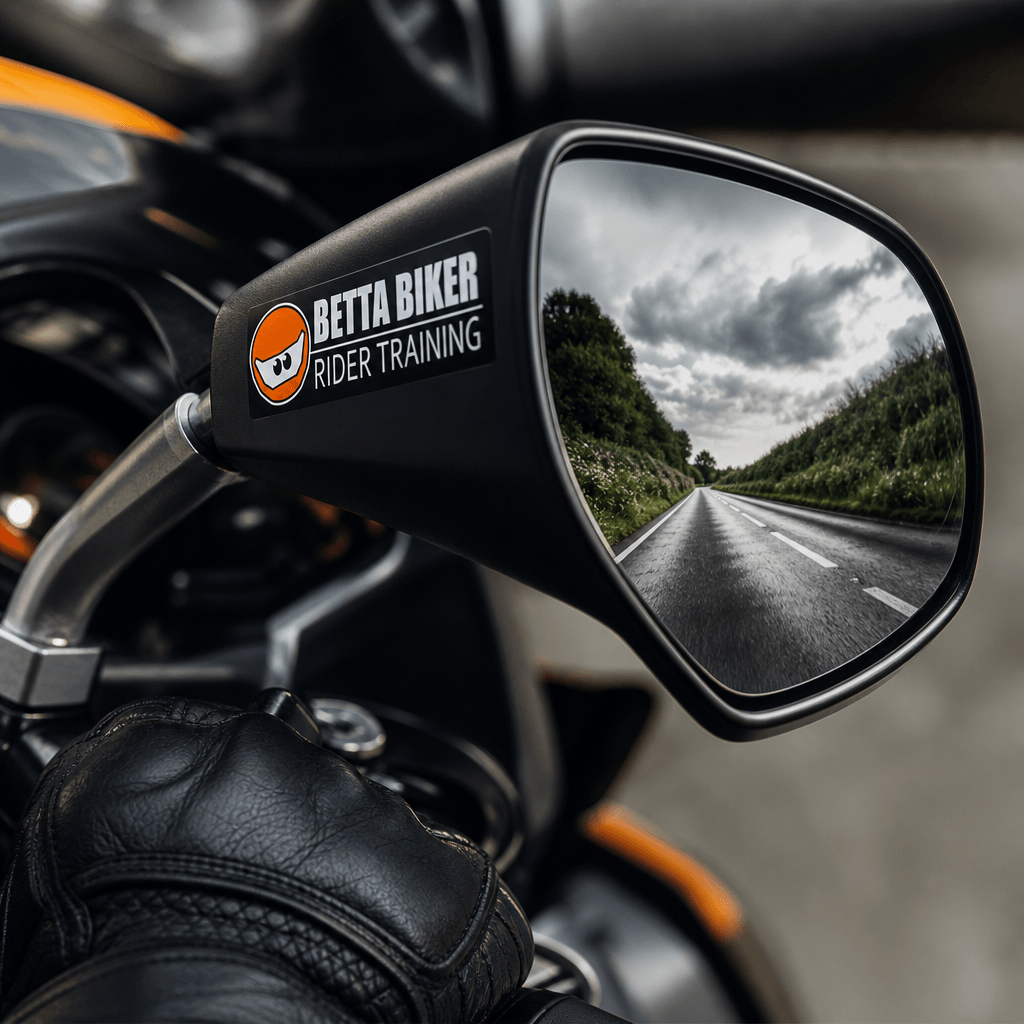
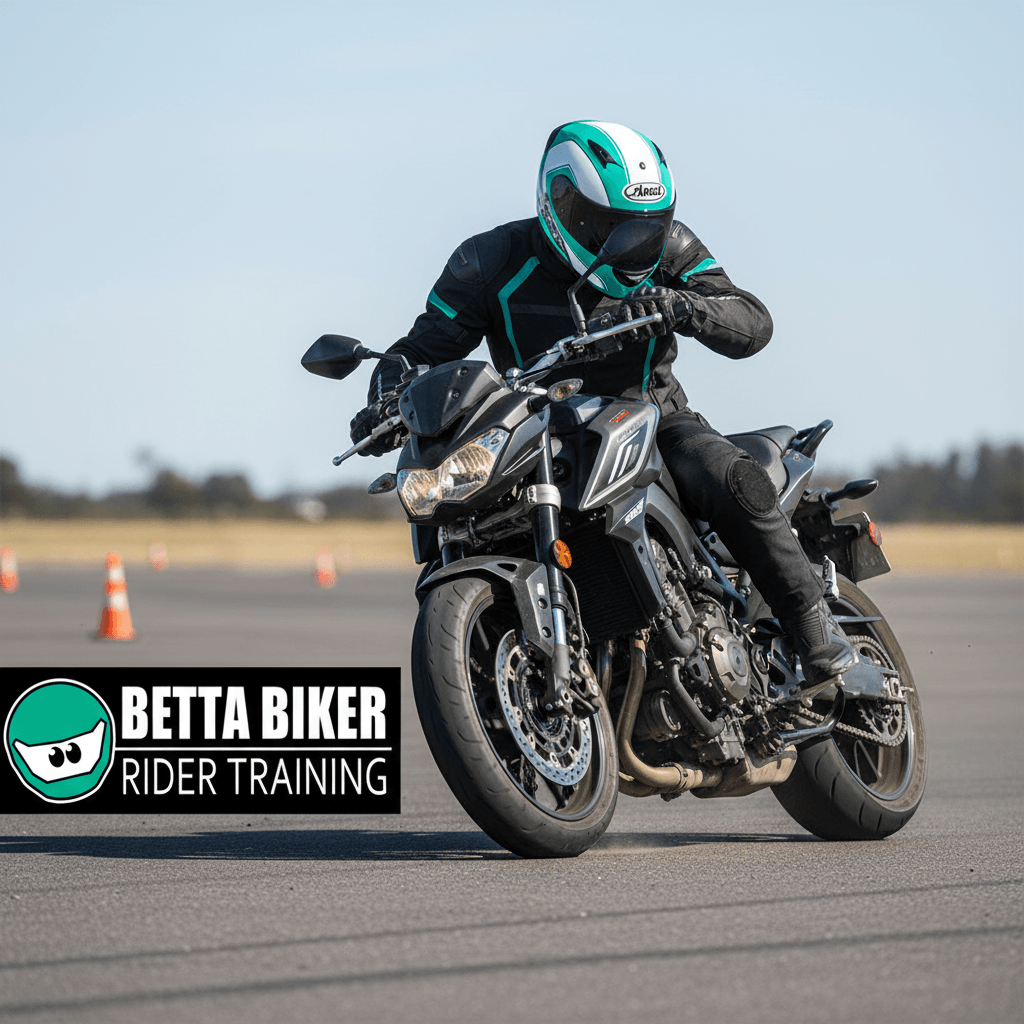
Most riders know to check their mirrors, but knowing when and how to use them properly is what separates a confident rider from one who’s constantly caught off guard. Correct mirror positioning starts before you even move. Your mirrors should be adjusted so you can see clearly behind and to the sides without straining your neck, giving you the widest possible view of what’s coming up. From there, it’s about building a rhythm: check your mirrors every 5-8 seconds on the move, and always before braking, signalling, or changing position on the road. One thing new riders often miss? Mirrors have blind spots, so a shoulder check is never optional. 🏍️

At Betta Biker, this kind of awareness is baked into our training from day one, because developing that instinct early makes you a much safer rider long-term. We’ve been teaching riders across Warrington and the North West since 2015, and our CBT courses are designed to build exactly these habits in a relaxed, supportive environment. Whether you’re 16 and just starting out or coming back to bikes after a break, good mirror discipline is one of those skills that quietly keeps you safe every single ride. So here’s a question for you: when did you last think consciously about your mirror routine, or is it something you do on autopilot? Drop your answer below. πŸ‘‡

Can Emergency Braking Save Your Life? Most Riders Get This Wrong

Knowing how to stop quickly and safely is one of the most critical skills any rider can have. Most accidents don’t happen because riders can’t ride, they happen because riders couldn’t stop in time. Emergency braking on a motorcycle isn’t just about grabbing the front brake hard and hoping for the best. It’s a technique that needs to be learned, practised, and made instinctive before you ever need it for real.

Here are the fundamentals every rider should know:

1. Use both brakes together (front and rear) rather than relying on one alone. The front brake provides the majority of your stopping power, but snatching it too hard risks a front-end lock-up.

2. Apply progressive pressure (squeeze firmly and progressively rather than grabbing suddenly).

3. Keep the bike upright when braking hard as any lean angle dramatically reduces the grip available to you.

At Betta Biker, this kind of “thinking rider” approach is built into every course we run, from your very first CBT day right through to your full licence. Nic and the team have been passing on real-world skills like these since 2015. So, have you ever had to use emergency braking on the road? And do you feel confident your technique would hold up under pressure

Filtering in Traffic: What Every UK Rider Needs to Know

Filtering (moving through slow or stationary traffic) is one of those topics that splits opinion, but here’s the straight truth: it’s perfectly legal in the UK when done safely and responsibly. The key word there is “safely,” and knowing what that actually looks like on the road is what separates confident riders from nervous ones. 🏍️

So what does safe filtering look like? A few things matter most: keeping your speed low relative to the traffic around you (the Highway Code suggests no more than 10-15mph faster than stationary vehicles), watching for car doors opening and pedestrians stepping out, and never filtering past vehicles at junctions or where lanes are merging. Positioning is everything too. Staying visible in drivers’ mirrors and avoiding blind spots gives you those extra split-seconds of reaction time that can make all the difference. The riders who filter well aren’t the fastest ones, they’re the ones who are always thinking three moves ahead. Have you ever been caught out by a situation while filtering that made you rethink your approach?

At Betta Biker, developing that “thinking rider” mindset is exactly what we focus on, whether you’re coming to us for your CBT or working towards a full licence. Our instructors have seen every scenario going, and they’ll make sure you’re building real-world awareness from day one. What’s the one riding skill you wish someone had taught you earlier? Drop it in the comments below. πŸ‘‡

Your Motorcycle Chain Could Let You Down Without Warning πŸ”—

Most riders think about fuel, tyres, and brakes. But the chain? It quietly does one of the most important jobs on the bike, and when it’s neglected, it can seriously affect your ride safety and performance. A poorly maintained chain can snap, seize, or cause you to lose drive at exactly the wrong moment. So knowing the basics isn’t just useful, it’s essential.

Here’s what every rider should be doing regularly: check your chain tension (a chain that’s too slack or too tight causes wear and handling issues), clean and lubricate it after wet rides or every few hundred miles (dirt and grime accelerate wear fast), and inspect the links for kinks, stiff spots, or visible rust. If any links look damaged or the chain is stretching beyond its wear limit, it’s time for a replacement. Getting into these habits early, ideally from the moment you start riding, means you’re building the mindset of a thinking rider rather than someone who only reacts when something goes wrong. Have you ever had a chain issue catch you off guard, or do you have a maintenance routine that works well for you? Drop it in the comments below. πŸ‘‡

At Betta Biker Rider Training, based in Warrington and serving the whole of the North West, we believe riding well and riding safely go hand in hand. From your very first CBT through to your full licence, we help you build the practical knowledge and rider mindset that keeps you confident on the road. What’s the one bit of bike maintenance you wish someone had told you about when you first started riding?

Motorcycle Tyres: What Every New Rider Needs to Know 🏍️

Your tyres are the only part of your bike that actually touches the road, so getting them wrong isn’t just inconvenient, it can be genuinely dangerous. Whether you’ve just completed your CBT or you’re still working towards it, understanding tread depth, tyre pressure, and what to look out for is one of the most practical things you can learn early on.

Tread depth is your first check. The legal minimum in the UK is 1mm across three-quarters of the tyre’s width, but most experienced riders wouldn’t let it get anywhere near that low, especially in spring when roads can still throw up wet patches and debris. Tyre pressure matters just as much. Under-inflated tyres affect handling, braking distance, and fuel efficiency, while over-inflated tyres reduce your contact patch and make the ride unpredictable. Always check pressure when the tyres are cold, and refer to your bike’s manual for the correct figures. Also get into the habit of doing a quick visual check before every ride, looking for cracks, bulges, or anything embedded in the rubber. πŸ” At Betta Biker, we cover this kind of practical, real-world knowledge as part of our CBT training in Warrington, because knowing your bike is just as important as riding it. What’s the one pre-ride check you always do (or know you should be doing more often)? Drop it in the comments below.

Urban Riding: How to Stay Safe in City Traffic 🏍️

City riding is where most accidents happen, and if you’ve ever found yourself boxed in at a junction or caught out by a car pulling across your path, you’ll know exactly how fast things can go wrong. The good news is that with the right skills and the right mindset, navigating urban traffic becomes a lot less stressful and a lot more enjoyable.

Here are a few things that make a real difference in city traffic.

Keep your observations ahead of the vehicle in front, not just the bumper you’re following. Scanning further up the road gives you more time to react.

Position yourself where drivers can see you in their mirrors, avoiding blind spots wherever possible. And cover your brakes in busy areas so your reaction time is as short as it can be.

These aren’t just tips you read and forget, they’re habits that become second nature with proper training and practice.

At Betta Biker, we focus on building “thinking” riders, people who read the road and make smart decisions, not just people who can operate the controls. Whether you’re brand new to bikes or working towards your full licence, the urban stuff is where solid foundations really pay off.

What’s the one road situation that makes you most nervous as a rider, or as someone thinking about getting on a bike? Drop it in the comments! πŸ‘‡

Petrol Taps, Carbs & Fuel Injection: What New Riders Need to Know β›½

Most new riders focus on clutch control and road positioning (which makes total sense), but understanding your bike’s fuel system is one of those basics that can save you from a roadside head-scratch on your very first ride. Older bikes use a petrol tap (fuel cock) with positions like “ON,” “OFF,” and “RES” (reserve). That reserve position isn’t a bonus tank, it’s a small backup supply for when the main feed runs dry, so knowing to switch to it could be the difference between riding home and pushing. Carburettors mix air and fuel mechanically and are common on classic and budget bikes, while fuel injection does the same job electronically, with no choke lever needed and much smoother cold starts. Neither is better or worse for a beginner, they just behave slightly differently, and knowing which system your bike has helps you understand how it responds.

At Betta Biker, this kind of practical knowledge is exactly what we cover during CBT training. Understanding your machine makes you a more confident, thinking rider, which is the whole point. Our CBT courses run weekends and bank holidays, and are built for complete novices aged 16 and above. Bikes and equipment are all provided. Have you ever been caught out by something on a bike you didn’t quite understand? Drop it in the comments, and what fuel system does (or did) your first bike run on? 🏍️

Roundabouts on Two Wheels: What Every New Rider Needs to Know

Roundabouts catch a lot of new riders off guard, and honestly, that’s completely understandable. On a motorcycle, the rules are the same as in a car, but the physical experience is very different. You’re leaning into the curve, watching for road surface changes, and keeping an eye on drivers who may not have spotted you yet.

The key things to get right: position yourself clearly in your lane so other road users can see where you’re heading, look well ahead before you commit to entering (not just at the vehicle in front), and keep your speed smooth and consistent through the curve rather than braking mid-bend. On a bike, confidence and flow through a roundabout comes with practice, and it’s exactly the kind of skill we work on at Betta Biker. At our CBT courses in Warrington, covering both classroom technique and real-world practical riding, our instructors help you build that instinct so roundabouts start to feel natural rather than nerve-wracking. πŸ›΅

Have you had a roundabout moment that shook your confidence a little? Or if you’re still working towards your CBT, what part of riding on public roads feels most daunting right now? Drop a comment below.

The Split-Second Thinking That Separates Good Riders From Great Ones

Most riders focus on throttle control, braking, and cornering. But the riders who stay safest on the road? They’ve trained their brain just as hard as their hands. 🧠 Risk assessment isn’t a passive skill you pick up over time. It’s an active mental process, and understanding how it works can genuinely change how you ride. The best riders are constantly reading the road ahead, identifying hazards before they become problems, and making calculated decisions in fractions of a second. That means scanning junctions early, adjusting speed for what might happen rather than what is happening, and building mental models of other road users’ behaviour. It’s the difference between reacting and anticipating.

At Betta Biker, this kind of “thinking rider” mindset is baked into every course we run, from day one of CBT right through to full licence training. Our Chief Instructor Nic has been riding since 1976, and one thing he’ll tell you straight: the mental side of riding matters just as much as the physical. Small group sizes mean you actually get the coaching time to work on this properly, not just tick a box. So here’s a question worth thinking about: when you’re out on the bike, are you reading the road two seconds ahead, or ten? 🏍️ And if you’re just getting started, what made you decide now was the right time to learn?

Terms and Conditions