
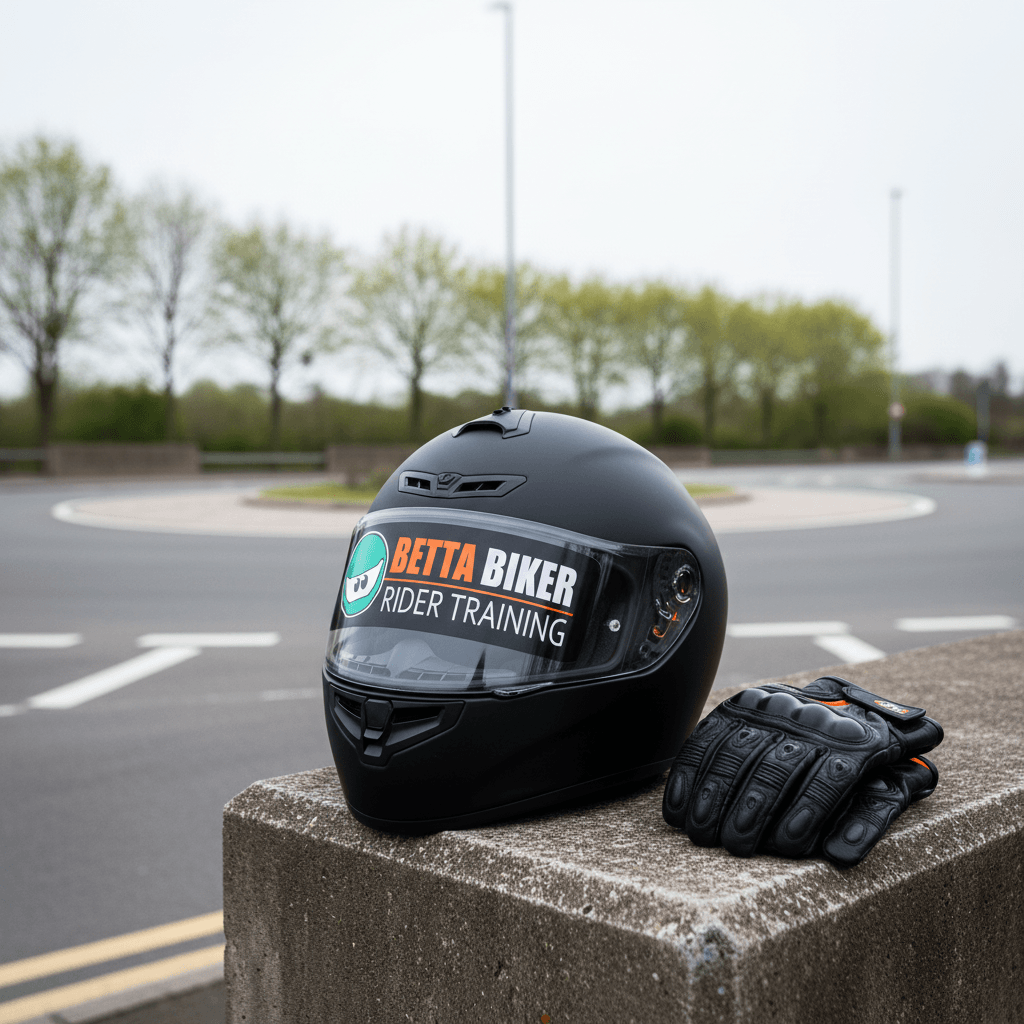
Roundabouts on Two Wheels: What Every New Rider Needs to Know

Roundabouts catch a lot of new riders off guard, and honestly, that’s completely understandable. On a motorcycle, the rules are the same as in a car, but the physical experience is very different. You’re leaning into the curve, watching for road surface changes, and keeping an eye on drivers who may not have spotted you yet.

The key things to get right: position yourself clearly in your lane so other road users can see where you’re heading, look well ahead before you commit to entering (not just at the vehicle in front), and keep your speed smooth and consistent through the curve rather than braking mid-bend. On a bike, confidence and flow through a roundabout comes with practice, and it’s exactly the kind of skill we work on at Betta Biker. At our CBT courses in Warrington, covering both classroom technique and real-world practical riding, our instructors help you build that instinct so roundabouts start to feel natural rather than nerve-wracking. πŸ›΅

Have you had a roundabout moment that shook your confidence a little? Or if you’re still working towards your CBT, what part of riding on public roads feels most daunting right now? Drop a comment below.

The Split-Second Thinking That Separates Good Riders From Great Ones

Most riders focus on throttle control, braking, and cornering. But the riders who stay safest on the road? They’ve trained their brain just as hard as their hands. 🧠 Risk assessment isn’t a passive skill you pick up over time. It’s an active mental process, and understanding how it works can genuinely change how you ride. The best riders are constantly reading the road ahead, identifying hazards before they become problems, and making calculated decisions in fractions of a second. That means scanning junctions early, adjusting speed for what might happen rather than what is happening, and building mental models of other road users’ behaviour. It’s the difference between reacting and anticipating.

At Betta Biker, this kind of “thinking rider” mindset is baked into every course we run, from day one of CBT right through to full licence training. Our Chief Instructor Nic has been riding since 1976, and one thing he’ll tell you straight: the mental side of riding matters just as much as the physical. Small group sizes mean you actually get the coaching time to work on this properly, not just tick a box. So here’s a question worth thinking about: when you’re out on the bike, are you reading the road two seconds ahead, or ten? 🏍️ And if you’re just getting started, what made you decide now was the right time to learn?

Terms and Conditions